The production of e-learning courses starts with the conceptualization of the course and the selection of suitable tools. In the project phase of creation, the focus is on two main types of design in the field of e-learning design: instructional design and graphic design. While instructional design describes the process of transforming content into understandable and engaging learning materials, graphic design in e-learning focuses on making the content attractive and interactive.
It’s not just about something “looking good”, but rather how the design influences the success of the e-learning. A successful design is crucial for the learners’ first impression and can increase both their motivation and their understanding of the training. Ideally, it even conveys messages and makes it easier to remember the content learned in the course. If you are looking for the right design for your e-learning, you should first consider who your target group is and which visual elements and effects are relevant to achieving the learning objectives. Once you have decided on a direction, make sure that the design language is applied consistently throughout the project.
There are numerous design styles that you as a learning designer can use and even combine. Below you will find a proven selection of basic graphic design styles:
Minimalism is characterized by simplicity in the use of color, typography and composition and aims to convey content with clarity and efficiency. This style offers a clear and attractive aesthetic, improved usability and a consistent focus on the essentials.
This style could be described as a subcategory of minimalism. It is characterized by a two-dimensional visual language and avoids all design elements that create a 3D effect, such as drop shadows, bevels and textures. It is scalable, user-friendly and modern. Flat design has developed as a counter-current to skeuomorphism, a style that attempted to replicate objects as realistically as possible. Flat design is particularly suitable for mobile user interfaces in e-learning. For example, Google introduced a similar style, Material Design, in 2014.
Unlike flat design, this style uses three-dimensional illustrations, models and effects to create the tangible illusion of depth and realism in the e-learning course.
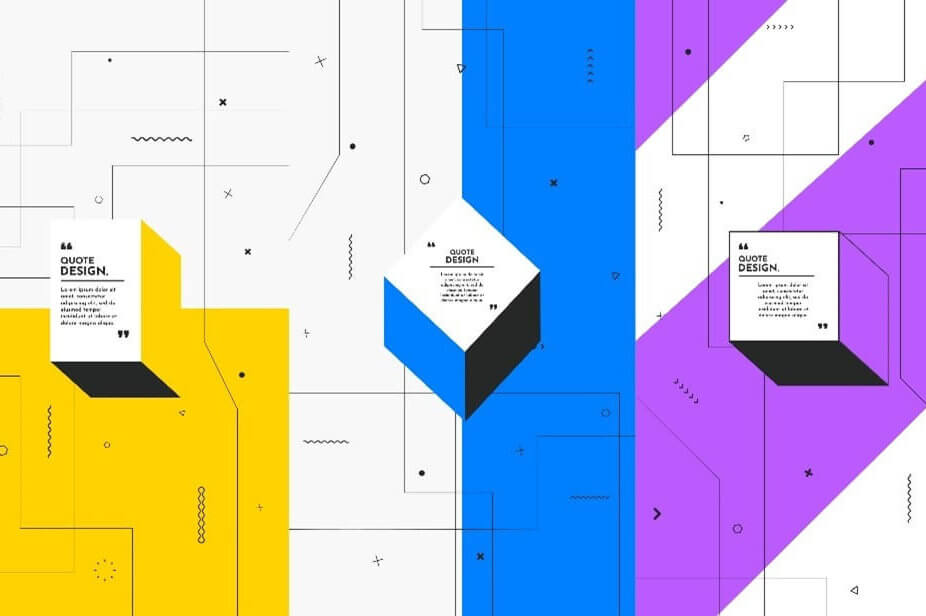
Isometry is a special form of 3D design in which three-dimensional objects are created in a two-dimensional plane so that they create the perception of spatial depth. This method combines the advantages of 3D with simpler design and more detail visibility.
This design style is inspired by past eras and uses elements and concepts from the 20s to the 90s. It creates a unique and nostalgic aesthetic, evokes emotions in the appropriate target group and offers creative freedom when integrated into the learning experience.
This classic concept uses geometric shapes, patterns and abstract elements to create visual interest. It allows creative freedom, offers diverse interpretation possibilities and can convey a modern aesthetic.
This style is inspired by comics and cartoons and uses simplified, exaggerated and sometimes humorous representations for learning content. It creates a playful and entertaining aesthetic, enables graphically clear communication and is appealing to various learners.
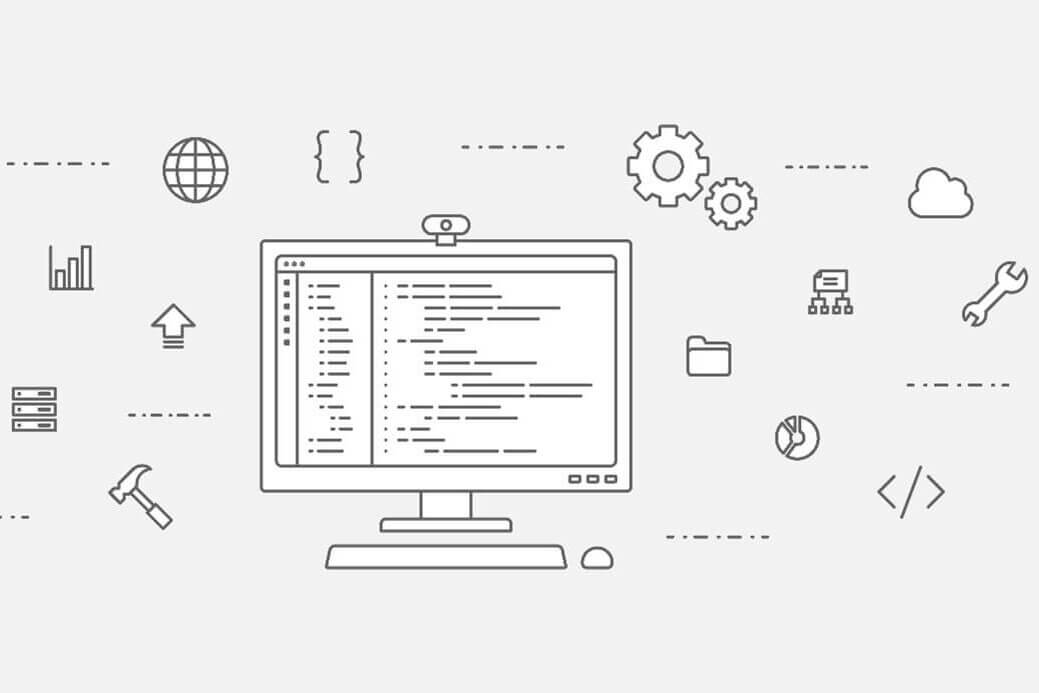
This style uses only lines to represent shapes, contours and textures. Lineart is usually drawn in black and white. Advantages are clear and simple representations, good scalability and the possibility for creative experiments.
This style combines different images, textures and graphics to create a compositional unit. The combination of illustration and photography can create unique, appealing content with a playful touch that can captivate the viewer and tell pictorial stories.
This style strives to make images or graphics look as realistic as possible, often through detailed representations and high texture resolution. It creates a compelling and immersive visual experience and is well suited for product presentations or architectural visualizations.