

Mobile learning, also known as M-Learning, adapts the way of learning through the use of mobile devices. These are usually smartphones and tablets that are already owned by the learners. These innovative technologies enable users to learn anytime and anywhere in subways & Co., regardless of their location or the availability of a computer. Thanks to the flexibility of M-Learning, the possibilities are almost limitless. Whether on the go in public transport, during lunch breaks, or even comfortably at home – the mobile device becomes a personal coach.
Mobile learning differs from traditional knowledge acquisition in several key aspects. These differences make it an extremely effective and flexible method of knowledge transfer and competence development. The first point is location independence. Thanks to mobile devices and a stable internet connection, learners can conveniently access M-Learning content from any location. Whether in the office, on the go, or even on vacation – training can take place anywhere.
Another advantage of M-Learning is its ability to personalize. The content can be adapted to the individual needs and preferences of the learners. This creates a customized and personalized learning experience that addresses the specific requirements of each individual. Finally, the interactivity of mobile learning content enables active engagement of the trainees. Through interactive elements such as quizzes, simulations, or discussion forums, learning becomes an active process that promotes understanding and at the same time maintains interest in the topic. Through its interacting nature, the training becomes an exciting and entertaining experience that effectively supports and promotes knowledge acquisition.
Mobile learning offers learners a variety of compelling benefits. One of these benefits is the flexibility that allows participants to structure their learning time according to their own needs and preferred locations. This allows them to improve their knowledge and skills, regardless of whether they are on the go or in their familiar environment. Another important aspect of mobile e-learning is time independence. In contrast to the traditional form, users are not bound to fixed training times. They can access content whenever it suits them best, whether via smartphone or tablet. This enables individual time management and maximum flexibility, especially when using a Learning Management System (LMS).
Equally convincing is the advantage of Mobile Learning, that it is very efficient, fast and simple. The digital content is divided into small chunks (ideal for Microlearning) and is presented in an easily understandable way. This enables learners to consume the content efficiently, thereby promoting a deeper understanding and faster knowledge acquisition. Through this relevant design of the learning process, the potential of the learners is fully exploited.
Last but not least, mobile learning contributes to the active participation of learners by providing them with regular and digital feedback. Interactive elements such as quizzes or discussion forums promote the involvement of participants in the learning process. By actively participating in the exchange of knowledge and ideas, they can deepen their understanding and benefit from the experiences of others. Another unbeatable advantage of M-Learning is its cost-effective nature compared to traditional learning. Since most people already have a selection of mobile devices (such as the Smartphone iPhone or tablets with Android), there are no additional costs for expensive learning materials or special training rooms, which reduces the operational costs of mobile technology. This makes mobile learning an affordable yet effective learning method for everyone.
All in all, mobile learning offers a wide range of benefits that include flexibility, efficiency, participation, and cost-effectiveness. It is a compelling solution for modern learning needs and enables learners to fully exploit their potential and expand their skills.
Mobile learning opens up a variety of possibilities for different learning applications and can thus become an indispensable tool in the corporate world. Especially in the areas of OnboardingFor training, further education and personnel development, mobile e-learning proves to be extremely effective in the corporate environment. With regard to onboarding, M-Learning enables a seamless entry for new employees by teaching them the corporate culture and the work processes. Through activating learning modules and digital media, they can quickly and efficiently obtain the necessary information and optimally integrate into their new working environment.
Mobile learning also offers numerous advantages in the area of training. It enables employees to learn new skills and knowledge in a flexible way. Thanks to mobile devices such as smartphones or tablets, training courses can be carried out anytime and anywhere. This not only increases the efficiency of the training process, but also enables employees to continuously expand their knowledge. Likewise, mobile e-learning can also help ensure that employees are always up to date. Through regular updates and short learning units, they can refresh their knowledge and further develop their skills. This is particularly important in fast-changing industries where up-to-date knowledge is a crucial success factor.
Last but not least, mobile learning plays an important role in corporate personnel development. It offers employees the opportunity to advance their careers by specifically training in certain areas, using individual learning content. Through personalized learning paths and individual progress tracking via an LMS, they can effectively pursue their development goals and continuously improve. Overall, M-Learning offers a flexible, efficient, and user-friendly solution for a variety of learning applications in the world of work.

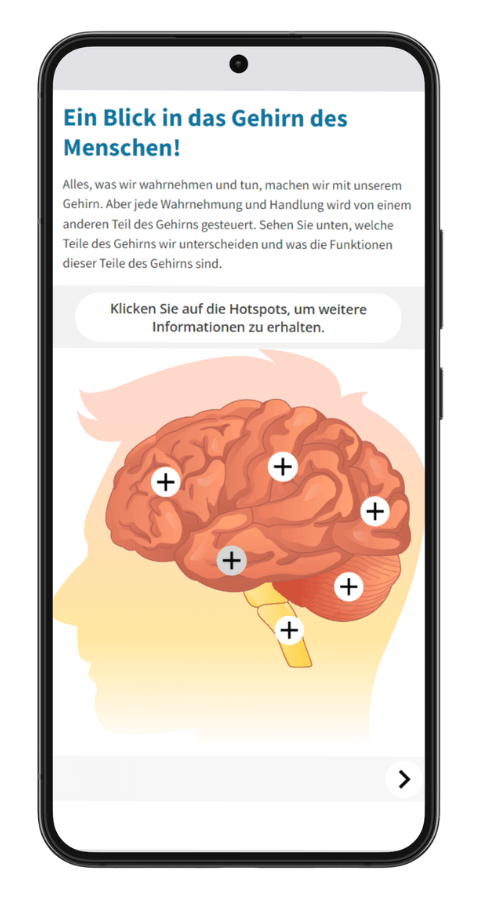

Mobile learning is undoubtedly an extremely versatile, cost-effective, and effective learning method that offers a variety of invaluable benefits. It can be used in a wide range of learning applications and has the potential to fundamentally change learning itself. By using mobile devices, learners can expand their knowledge anytime and anywhere. This flexibility allows them to adapt their learning goals and tailor the training to their individual needs. Furthermore, they can determine their own rhythm and learn in their preferred environment. Through the integration of interactive elements such as quizzes, simulations, or gamification elements (using the authoring tool), the engagement of the learners is increased and at the same time their understanding is deepened.
The possibility of immediate feedback also enables them to quickly check their knowledge and specifically address their weaknesses, which increases learning success. In addition to flexibility and efficiency, M-Learning is also extremely appealing to modern learners. The interaction with multimedia content such as videos or interactive graphics, often available via apps, makes the learning process more entertaining and exciting. This helps to keep participants motivated and maintain long-term interest in learning. Through the flexibility, efficiency, and attractiveness of M-Learning, learners can take their skills and knowledge to new heights.
If you would like to learn more about the effective use of mobile learning in your company, please contact us. We will be happy to advise you from the learning strategy to the conceptual design and course creation in several languages.